Firefighters Supporting Firefighters
The Pasco County Fire Rescue Peer Support Team provides trusted, structured support for our firefighters through Peer Support and CISM when it is needed most. Built on shared experience, trust, and resilience, the program exists to help our members navigate stress, trauma, difficult calls, and the pressures that come with the job.
What Peer Support & CISM Mean in the Fire Service
Peer support and critical incident stress management are not about weakness. They are about readiness, resilience, and making sure firefighters have trusted support from people who understand the realities of this profession.
Peer Support
Peer Support is a structured way for people who share similar experiences to support one another. It provides support from someone who has lived through similar situations and understands what you are going through.
- Focuses on listening, validating, and helping someone feel understood — not fixing or diagnosing.
- Aims to reduce stigma, encourage healthy coping, and connect members to additional resources when needed.
- Confidential, non-clinical, and based on trust and shared experience.
- Emphasizes resilience, wellness, and early intervention before stress becomes overwhelming.
CISM
Critical Incident Stress Management is a structured response after a specific potentially traumatic incident. It is a set of tools and interventions used after a critical incident to support firefighters in the immediate aftermath.
- Helps reduce the impact of acute stress.
- Helps personnel process what happened and return to normal functioning.
- Provides early psychological support, not therapy.
- Acts as a short-term intervention that helps stabilize and guide personnel after critical calls.
- Focuses on acute incident stress rather than long-term wellness care.
Why Peer Support Matters
Firefighters face unique levels of trauma, stress, and organizational pressure. Trusted peer support can make the difference in long-term wellness, performance, recovery, and even survival.
Built on Trust. Driven by Shared Experience.
Firefighters are often far more likely to open up to someone who understands the culture, the calls, the pressure, the dark humor, and the unspoken rules of the job. A peer who truly “gets it” can often break through walls that others cannot.
Trusted, Trained, and Ready
The strength of the program comes from confidentiality, continued training, and a commitment to showing up for our members when support is needed.
Training & Certifications
The Pasco County Fire Rescue Peer Support Team holds certifications and training in peer support, behavioral health awareness, recovery support, critical incident management, and responder-focused wellness.
How to Reach Peer Support
Firefighters have access to a station flyer with a list of Peer Support Team members and phone numbers so they can reach out to anyone they choose at any time.
Mental Health Officer
The Peer Support Program is run by Captain James Edwards, Mental Health Officer.
Email: [email protected]
The Call We Carry
This powerful Tacoma Fire Department documentary highlights the pain, sacrifice, resiliency, and mental health realities faced in the fire service — reinforcing the truth that no one fights alone.
Featured Fire Wire Podcast Episode
Mental health in the fire service continues to be one of the most important conversations in our profession. This featured Fire Wire episode adds another strong resource for members looking to hear from experts working directly with first responders.
Mental Health in the Fire Service
In this episode, hosts Pete Arnold and Dixon Phillips sit down with Dr. Brandy Benson, CEO and Chief Psychologist of Tampa Bay Psychology Associates, to talk about mental health and wellness in the fire service.
Dr. Benson is a licensed clinical psychologist specializing in first responder behavioral health and has worked with fire and law enforcement agencies across Florida since 2010. Through Tampa Bay Psychology Associates, she and her team help remove barriers to care, build stronger behavioral health programs, and promote resiliency among those who serve.
The episode also highlights how her work supports Pasco County Fire Rescue and other departments throughout the Tampa Bay area, the unique challenges firefighters face, and how proactive mental health care can change — and even save — lives.
Listen on YouTube
Support Resources
The Peer Support Team uses and shares trusted professional resources that can help firefighters and their families find additional support when needed.
A practical wellness guide for firefighters transitioning from operational hypervigilance back into home and personal life. It includes decompression-drive ideas, gear-down rituals, hobby resets, family reconnection suggestions, tactical breathing, grounding techniques, and progressive muscle relaxation.
Download the Post-Shift Transition Routine Document
Wellness Through Connection
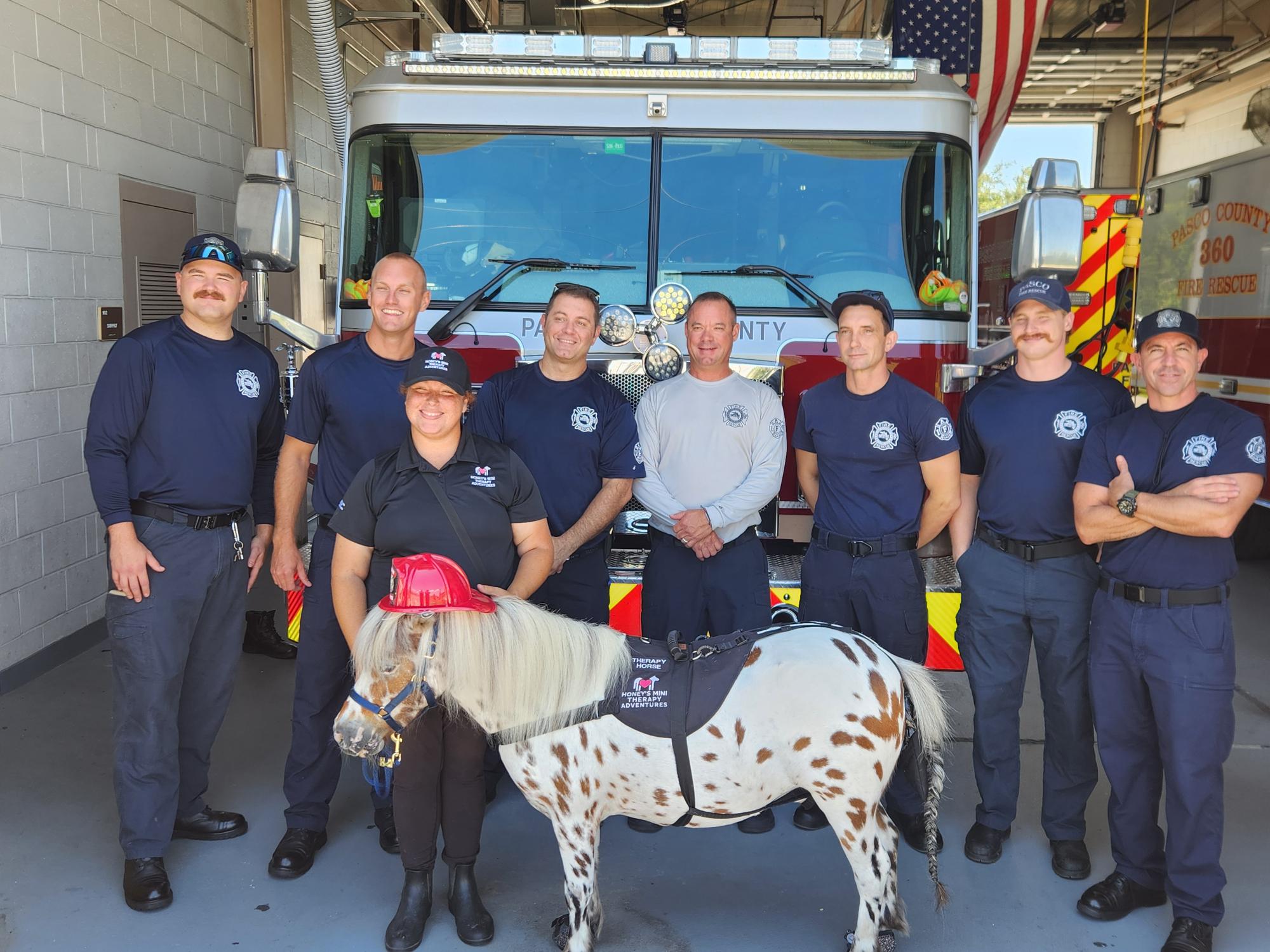
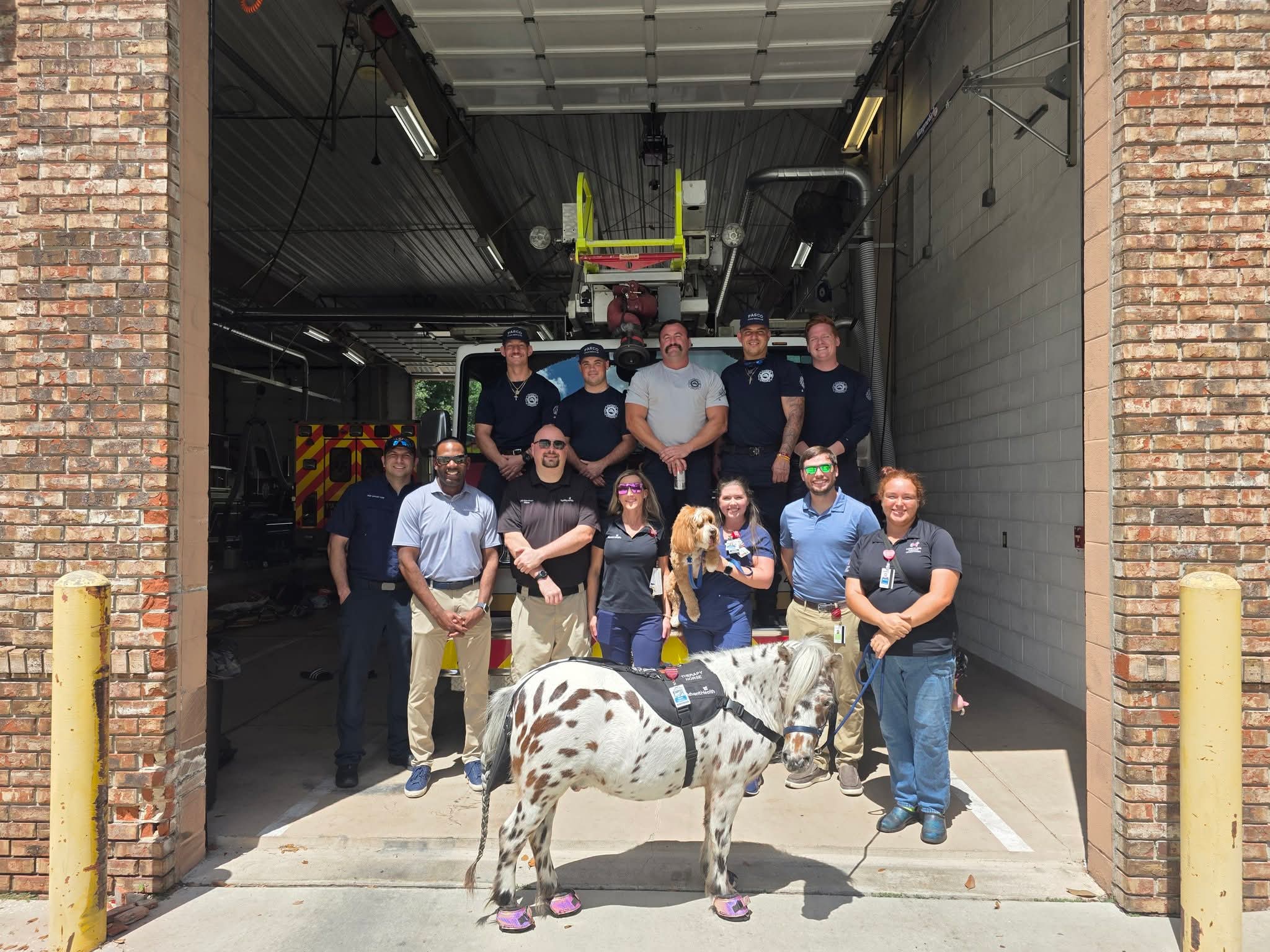
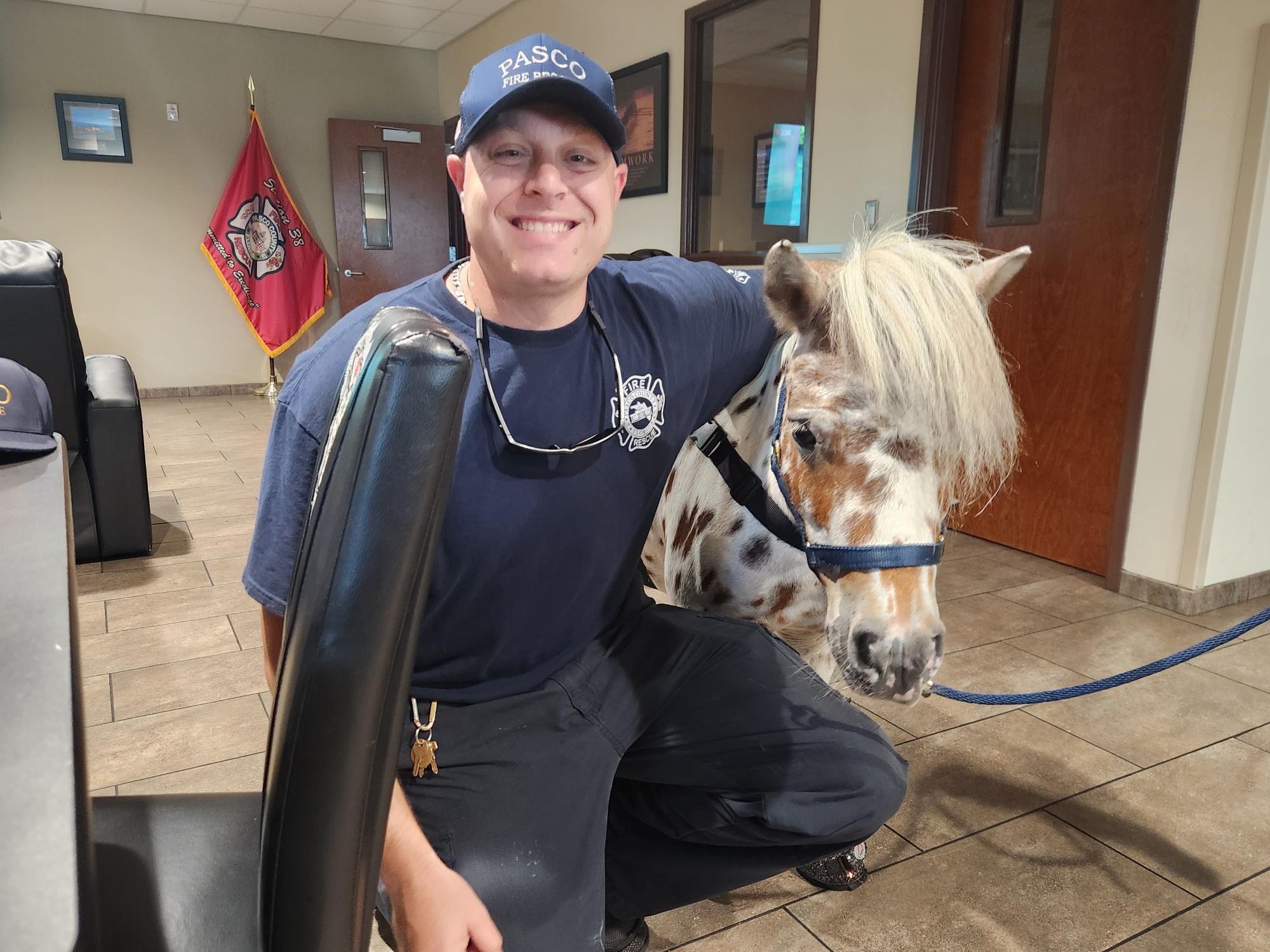
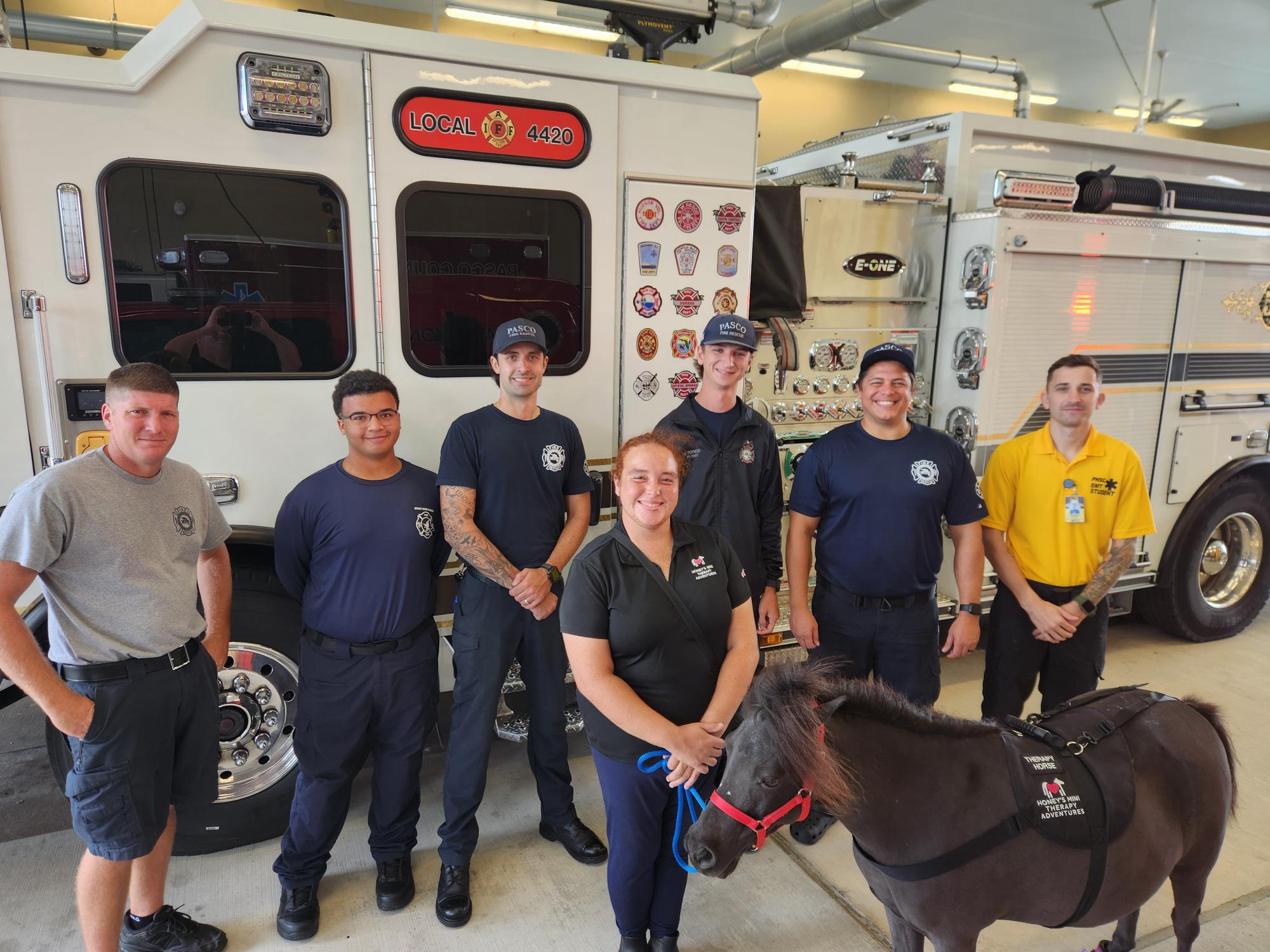
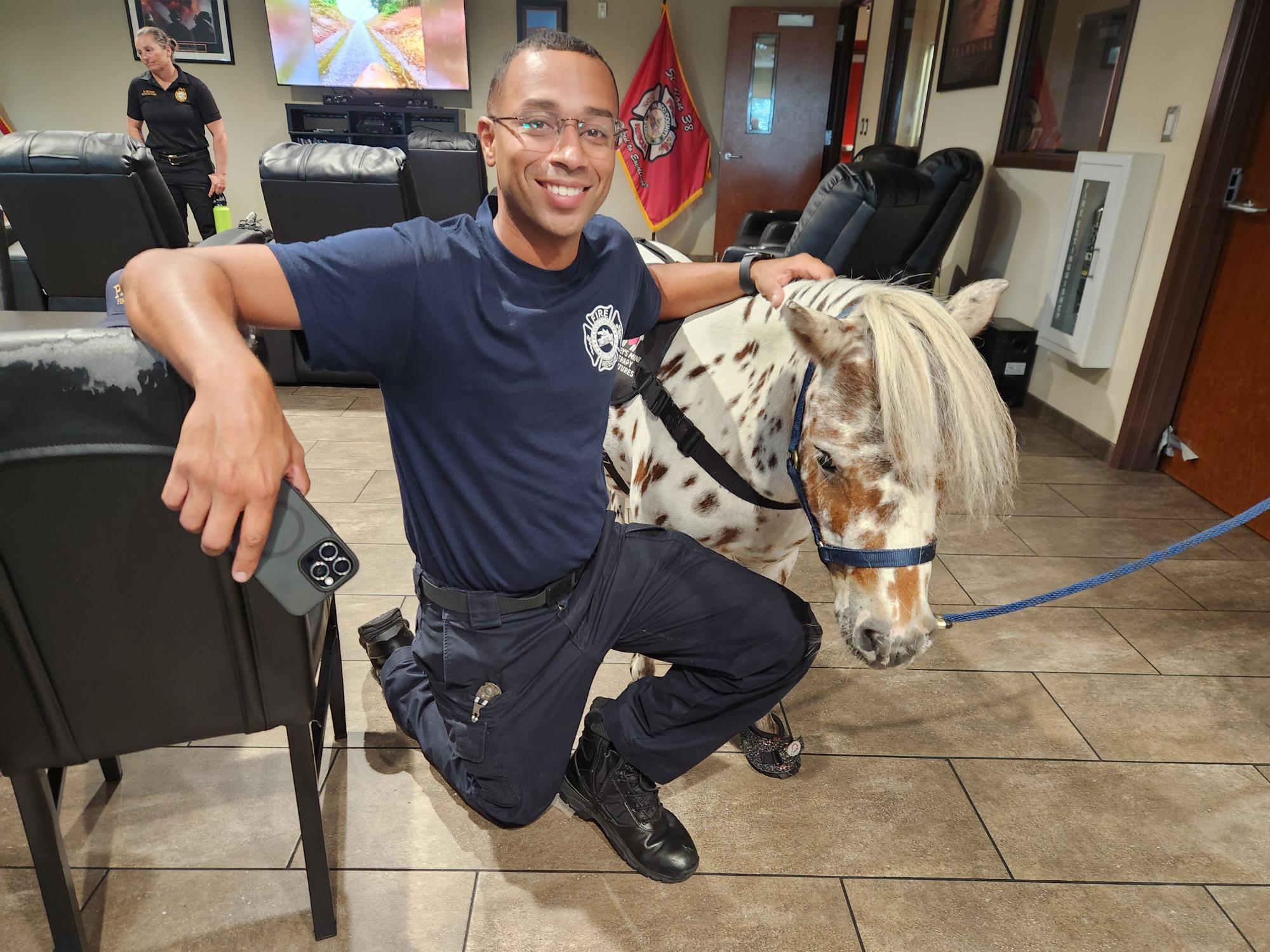
Peer support can take many forms. Honey’s Mini Therapy Adventures, a 501(c)(3), has visited Pasco stations and provided a unique kind of therapeutic support through interaction, calm presence, and connection.
Honey’s Mini Therapy Adventures
Wellness is not always a formal conversation. Sometimes the best support is found in simple moments that help firefighters decompress, reconnect, and regulate after the stress of the job.
Visits like these bring a different kind of relief into the firehouse and serve as a reminder that recovery, resilience, and mental wellness can be strengthened in many ways.
Learn more: www.minitherapy.org
Station Visit Photos
These visits offered firefighters a positive, memorable, and calming experience while helping reinforce the importance of mental wellness across the department.
You Don’t Have to Carry It Alone
The work is heavy. The calls stay with you. The Peer Support Team exists so our firefighters have trusted people to turn to when they need support, perspective, or simply someone who understands.